High interest savings accounts offer a great way to grow your money. Let’s explore the key factors to consider when selecting the perfect account for your financial goals.
Benefits of High Interest Savings Accounts
High interest savings accounts offer numerous advantages compared to regular savings accounts. These benefits include:




Higher Interest Rates
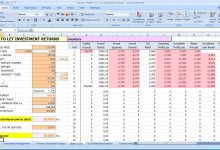
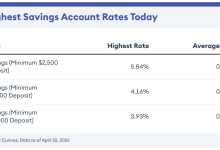
High interest savings accounts typically offer significantly higher interest rates compared to regular savings accounts. This means that your money can grow faster over time, helping you reach your financial goals sooner.
Easy Access to Funds
Despite the higher interest rates, high interest savings accounts still provide easy access to your funds. This makes them a flexible option for saving money while ensuring that you can withdraw your funds whenever needed without facing penalties.
Low or No Fees
Many high interest savings accounts come with low or no fees, which can help you maximize your savings. By avoiding unnecessary charges, you can keep more of your money working for you through interest accumulation.
Security and Stability
High interest savings accounts are generally offered by reputable financial institutions, providing a secure and stable environment for your savings. This can give you peace of mind knowing that your money is protected.
Best Suited Financial Goals
High interest savings accounts are ideal for short to medium-term financial goals, such as building an emergency fund, saving for a vacation, or setting aside money for a down payment on a home. These accounts help you grow your savings faster while keeping your money easily accessible.
Features of High Interest Savings Accounts
When considering a high interest savings account, it is important to understand the key features that financial institutions typically offer to account holders. These features can vary between institutions, but there are common elements that you can expect.
Interest Rates
One of the main features of high interest savings accounts is the competitive interest rates they offer. These rates are typically higher than those found in regular savings accounts, allowing your money to grow faster over time.
Low or No Fees
Many high interest savings accounts come with low or no monthly fees, making it easier to save without worrying about excessive charges eating into your funds. Be sure to check the fee structure of the account before opening it.
Minimum Balance Requirements
Some high interest savings accounts may have minimum balance requirements that you need to maintain in order to earn the advertised interest rate. Make sure you understand these requirements and are able to meet them consistently.
Accessibility
Most high interest savings accounts offer easy access to your funds through online banking, ATMs, or branch locations. It’s important to consider how you plan to manage and access your savings when choosing an account.
FDIC Insurance
High interest savings accounts offered by banks are typically FDIC insured up to the maximum limit, providing added security for your deposits. This insurance protects your funds in case the financial institution fails.
How to Choose the Best High Interest Savings Account
When selecting a high interest savings account, it is crucial to consider various factors to ensure you are maximizing your savings potential. By comparing different options available in the market and understanding how to make the most of your account, you can make an informed decision that aligns with your financial goals.
Factors to Consider When Choosing a High Interest Savings Account
- Interest Rate: Compare the interest rates offered by different banks or financial institutions. Look for accounts with competitive rates to ensure your savings grow faster.
- Minimum Balance Requirements: Check if there are any minimum balance requirements to open or maintain the account. Avoid accounts that charge fees for falling below the minimum balance.
- Accessibility: Consider how easily you can access your funds. Some accounts may have restrictions on withdrawals or transfers, so choose one that fits your needs.
- Fees and Charges: Be aware of any fees associated with the account, such as monthly maintenance fees or transaction fees. Opt for accounts with minimal fees to maximize your savings.
- Insurance Coverage: Ensure your savings are protected by choosing an account that is covered by a deposit insurance scheme. This provides a safety net in case the financial institution fails.
Comparing High Interest Savings Account Options
- Online Banks: Online banks often offer higher interest rates and lower fees compared to traditional brick-and-mortar banks. Consider opening an account with an online bank for better savings potential.
- Credit Unions: Credit unions are non-profit organizations that may offer competitive interest rates and personalized service. Explore options with credit unions in your area for a community-focused banking experience.
- Promotional Offers: Keep an eye out for promotional offers from banks, such as sign-up bonuses or higher interest rates for a limited time. Take advantage of these offers to boost your savings.
Maximizing the Benefits of a High Interest Savings Account
- Automate Your Savings: Set up automatic transfers from your checking account to your high interest savings account to ensure regular contributions without effort.
- Monitor Your Account: Keep track of your savings account regularly to ensure you are meeting your financial goals. Adjust your savings strategy if needed to optimize your savings growth.
- Reinvest Interest: Consider reinvesting the interest earned on your savings back into the account to compound your savings over time. This can accelerate your wealth accumulation.
Managing a High Interest Savings Account
Effectively managing a high interest savings account is crucial to maximizing your savings potential and achieving your financial goals.
Importance of Monitoring and Reviewing Performance
It is essential to regularly monitor and review the performance of your high interest savings account to ensure that you are earning the highest interest rate possible and taking advantage of any promotions or bonuses offered by the financial institution.
- Check your account statements regularly to track the interest earned and ensure that there are no unauthorized transactions.
- Compare the interest rate of your high interest savings account with other financial institutions to make sure you are getting a competitive rate.
- Consider setting up alerts or notifications to stay informed about any changes in interest rates or account terms.
Tips for Deposits and Withdrawals
Properly managing deposits and withdrawals from your high interest savings account can help you avoid penalties and maximize your savings growth.
- Set up automatic transfers from your checking account to your high interest savings account on a regular basis to ensure consistent savings.
- Avoid making frequent withdrawals from your high interest savings account to maintain a higher balance and earn more interest over time.
- Consider depositing windfalls or extra income directly into your high interest savings account to accelerate your savings growth.
Risks Associated with High Interest Savings Accounts
Investing in high interest savings accounts can offer attractive returns, but it is important to be aware of the potential risks involved. External factors such as economic conditions can have a significant impact on the performance of these accounts. Here are some key risks associated with high interest savings accounts and strategies for mitigating them.
Impact of Economic Conditions
Economic conditions play a crucial role in determining the interest rates offered on high interest savings accounts. During times of economic uncertainty or recession, central banks may lower interest rates, leading to a decrease in the returns on savings accounts. This can affect the overall growth of your savings over time.
Risk of Inflation
Inflation is another risk to consider when investing in high interest savings accounts. If the rate of inflation is higher than the interest rate earned on your savings, the purchasing power of your money may erode over time. This means that your savings may not grow enough to keep up with the rising cost of living.
Interest Rate Fluctuations
Interest rates on savings accounts are subject to change, and fluctuations in these rates can impact the returns on your savings. It is important to monitor interest rate movements and be prepared for potential changes in the future. Locking in a fixed rate or diversifying your savings across different accounts can help mitigate this risk.
Liquidity Risk
High interest savings accounts may have restrictions on withdrawals or require a minimum balance to earn the advertised interest rate. This can pose a liquidity risk, especially in emergencies when you may need access to your funds quickly. Make sure to read the terms and conditions of the account carefully to understand any limitations on withdrawals.
Growth and Trends in the High Interest Savings Account Market
In recent years, the high interest savings account market has experienced significant growth and evolution. This has been influenced by various factors such as changes in interest rates, consumer preferences, and advancements in financial technology.
Current Trends in the High Interest Savings Account Industry
- Online Banking Dominance: The shift towards digital banking has led to an increase in online high interest savings accounts, offering competitive rates and convenience for customers.
- Increasing Competition: With more financial institutions entering the market, there has been a rise in promotional offers, bonuses, and other incentives to attract new account holders.
- Focus on Customer Experience: Banks are now prioritizing customer experience by offering user-friendly interfaces, mobile apps, and round-the-clock customer support for high interest savings accounts.
Growth of High Interest Savings Accounts Compared to Other Investment Options
High interest savings accounts have become a popular choice for risk-averse investors seeking a safe and reliable way to grow their savings. Compared to other investment options such as stocks or bonds, high interest savings accounts offer a lower return but with minimal risk.
Recent Innovations or Developments in High Interest Savings Account Offerings
- Hybrid Accounts: Some financial institutions have introduced hybrid accounts that combine the features of a checking account with the high interest rates of a savings account, providing flexibility and higher returns.
- Personalized Savings Goals: Many banks now offer tools and features to help account holders set and track their savings goals, making it easier to stay motivated and disciplined in saving.
- Sustainable Investing Options: With the growing interest in responsible investing, some high interest savings accounts now offer options to support environmentally friendly and socially responsible projects.
Tax Implications of High Interest Savings Accounts
When it comes to high interest savings accounts, it is important to consider the tax implications that come along with earning interest on your savings. The interest earned from these accounts is subject to taxation, and it’s essential to understand how this can impact your overall savings strategy.
Interest earned from high interest savings accounts is typically treated as regular income and is therefore subject to income tax. This means that the interest you earn will be added to your total income for the year and taxed at your marginal tax rate. It’s important to factor in this tax liability when calculating the overall return on your savings.
Comparison with Other Investment Vehicles
When compared to other investment vehicles such as stocks or bonds, high interest savings accounts are considered to have a more straightforward tax treatment. While the interest earned from savings accounts is subject to income tax, investments in stocks or bonds may be subject to different tax rates based on factors like capital gains or dividends.
Tips for Optimizing Tax Benefits
To optimize the tax benefits of utilizing high interest savings accounts, consider the following tips:
- Take advantage of tax-free savings accounts: In some countries, there may be specific savings accounts that offer tax benefits, such as tax-free interest earnings. Be sure to explore these options to maximize your savings.
- Monitor your tax bracket: Keep track of your income and tax bracket to understand how much of your interest earnings will be taxed. This can help you make informed decisions about how much to save in these accounts.
- Consider tax-efficient investments: If you have a high amount of savings, consider diversifying your portfolio with tax-efficient investments to balance out the tax implications of high interest savings accounts.
Customer Reviews and Feedback on High Interest Savings Accounts
Customer reviews and feedback play a crucial role in helping individuals make informed decisions when choosing a high interest savings account. Real-life experiences shared by customers can provide valuable insights into the pros and cons of different accounts, helping others understand what to expect and make the best choice for their financial goals.
Common Themes in Customer Feedback
- High interest rates: Many customers appreciate the competitive interest rates offered by high interest savings accounts, allowing them to grow their savings faster compared to traditional accounts.
- Customer service: Reviews often highlight the importance of responsive and helpful customer service when dealing with any issues or queries related to the account.
- Accessibility and convenience: Customers value easy access to their funds, whether through online banking, mobile apps, or ATM withdrawals, making it convenient to manage their savings.
- Fees and charges: Feedback may focus on any hidden fees or charges associated with the account, impacting the overall return on investment for customers.
Importance of Customer Reviews
Customer reviews provide a firsthand account of the user experience, offering insights that go beyond the promotional materials provided by financial institutions. By reading reviews, individuals can gain a better understanding of the account features, benefits, and potential drawbacks before committing to a specific high interest savings account. This helps in making an informed decision that aligns with their financial needs and preferences.
Educational Resources for High Interest Savings Accounts
When it comes to learning more about high interest savings accounts, there are various educational materials, articles, and tools available to help individuals improve their financial literacy and make informed decisions. Below are some recommendations for reputable sources of information on high interest savings accounts:
1. Financial Websites and Blogs
One of the best ways to educate yourself about high interest savings accounts is by exploring financial websites and blogs. Websites like Investopedia, The Balance, and NerdWallet provide in-depth articles and guides on different types of savings accounts, including high interest options.
2. Online Courses and Webinars
Many financial institutions and educational platforms offer online courses and webinars specifically focused on savings and investments. These resources can help you understand the benefits of high interest savings accounts and how to maximize your savings potential.
3. Personal Finance Books
Books written by financial experts can also be valuable resources for learning about high interest savings accounts. Look for titles like “The Total Money Makeover” by Dave Ramsey or “I Will Teach You to Be Rich” by Ramit Sethi for practical advice on saving and investing.
4. Financial Advisors
If you prefer personalized guidance, consider consulting with a financial advisor. They can provide tailored recommendations based on your financial goals and help you choose the best high interest savings account for your needs.
Last Recap
In conclusion, finding the right high interest savings account can help you reach your financial objectives faster. Make an informed decision based on your needs and watch your savings grow.

Storyteller and digital explorer covering the latest updates in business and lifestyle.