Bank accounts are fundamental to financial stability and growth. From managing everyday transactions to planning for the future, understanding the ins and outs of different account types and features is crucial in today’s fast-paced world.
Importance of Bank Accounts
Having a bank account is essential in today’s digital world for managing personal finances efficiently and securely. It provides a centralized platform for various financial transactions, savings, and investments.




Benefits of Bank Accounts
- Convenience: Bank accounts offer easy access to funds through ATMs, online banking, and mobile apps, enabling quick and hassle-free transactions.
- Security: Keeping money in a bank account reduces the risk of theft or loss compared to storing cash at home.
- Interest Earnings: Many bank accounts offer interest on deposits, helping individuals grow their savings over time.
- Financial Management: Bank statements and online banking tools allow users to track expenses, set budgets, and monitor their financial health.
Brick-and-Mortar vs. Online Banking
Traditional brick-and-mortar bank accounts and online banking options both have their advantages:
- Brick-and-Mortar Bank Accounts:
- Personalized Service: In-person interactions with bank staff can provide a more personalized banking experience.
- Access to Physical Branches: Having physical branches allows customers to deposit cash and access other services that may not be available online.
- Online Banking:
- 24/7 Access: Online banking offers the convenience of accessing accounts and making transactions anytime, anywhere.
- Lower Fees: Online banks often have lower fees and higher interest rates compared to traditional banks, saving customers money in the long run.
Types of Bank Accounts
Bank accounts come in various types, each designed to cater to different financial needs and goals. Understanding the features and differences between these types can help individuals make informed decisions about which account suits them best.
Savings Accounts
- Savings accounts are ideal for individuals looking to set aside money for future goals or emergencies.
- They typically offer low interest rates but provide easy access to funds.
- Some savings accounts may have minimum balance requirements or limits on withdrawals.
Checking Accounts
- Checking accounts are suitable for everyday transactions, such as paying bills and making purchases.
- They often come with features like debit cards, online banking, and check-writing capabilities.
- Checking accounts may have monthly maintenance fees or minimum balance requirements.
Money Market Accounts
- Money market accounts combine features of savings and checking accounts.
- They offer higher interest rates than savings accounts but provide limited access to funds.
- Money market accounts may require higher minimum balances compared to other types of accounts.
Certificate of Deposit (CD)
- CDs are time-bound deposits that offer higher interest rates than traditional savings accounts.
- They require individuals to deposit a sum of money for a fixed period, ranging from a few months to several years.
- Early withdrawal from a CD may result in penalties.
Individual Retirement Account (IRA)
- IRAs are retirement savings accounts that offer tax advantages for long-term savings.
- There are different types of IRAs, including traditional IRAs and Roth IRAs, each with its own eligibility criteria and tax implications.
- Contributions to IRAs are subject to annual limits set by the IRS.
Opening a Bank Account
When it comes to opening a bank account, there are primarily two ways to go about it – in person at a physical branch or online through a bank’s website or app. Each method has its own set of requirements and steps to follow.
Opening at a Physical Branch
To open a bank account at a physical branch, you will typically need to bring along certain documents for verification purposes. These may include:
– A valid government-issued photo ID such as a driver’s license or passport
– Proof of address like a utility bill or rental agreement
– Social Security number or Tax Identification Number
– Initial deposit amount in the form of cash or a check
Once you have gathered all the necessary documents and funds, you can visit a branch of the bank where you wish to open an account. A bank representative will guide you through the account opening process, help you choose the right account type based on your needs, and assist in filling out the required forms.
Opening an Online Bank Account
Opening an online bank account has become increasingly popular due to its convenience and accessibility. The steps involved in opening an online bank account typically include:
1. Visiting the bank’s website or downloading the mobile app
2. Selecting the option to open a new account
3. Providing personal information such as name, address, date of birth, and contact details
4. Uploading scanned copies of your ID and proof of address
5. Agreeing to the bank’s terms and conditions
6. Making an initial deposit electronically
The verification process for an online bank account may vary depending on the bank’s policies, but it generally involves confirming your identity through a series of security questions or by uploading additional documents.
By following these steps, you can easily open a bank account either at a physical branch or online, based on your preference and convenience.
Managing Bank Accounts
Effective management of a bank account is crucial to ensure financial stability and security. By following some simple tips and practices, you can maintain control over your funds and track your transactions accurately.
Regular Monitoring of Account Activity
It is important to monitor your account activity regularly to detect any unauthorized transactions or errors. By reviewing your bank statements and online transaction history, you can identify any discrepancies and report them promptly to your bank.
Setting Up Automatic Payments or Transfers
One way to streamline your account management is by setting up automatic payments or transfers for recurring bills or savings contributions. This ensures that your payments are made on time and helps you avoid late fees or penalties. You can also automate transfers to your savings account to build up your savings effortlessly.
Security Measures for Bank Accounts
Securing your bank account information is crucial to protect your financial assets and personal data from unauthorized access or fraud.
Common Security Threats and Protection
- Phishing: Be cautious of emails or messages requesting sensitive information. Always verify the source before providing any details.
- Identity Theft: Safeguard your personal information and regularly monitor your accounts for any suspicious activity.
- Malware Attacks: Keep your devices and antivirus software updated to prevent malware from stealing your banking details.
Role of Two-Factor Authentication
Two-factor authentication adds an extra layer of security by requiring a second form of verification, such as a code sent to your phone, in addition to your password.
Other Security Features Offered by Banks
- Biometric Authentication: Some banks offer fingerprint or facial recognition technology for secure access to your account.
- Transaction Alerts: Set up alerts to receive notifications for any transactions made from your account, helping you detect unauthorized activity promptly.
- Secure Communication: Ensure that you only share sensitive information through secure channels provided by your bank, such as encrypted messaging.
Overdrafts and Fees
An overdraft occurs when you spend more money than you have available in your bank account, resulting in a negative balance. This can lead to fees and additional charges, impacting your financial stability.
Common Fees Associated with Bank Accounts
- Overdraft fees: Charged when you spend more money than you have in your account.
- Monthly maintenance fees: Regular fees for keeping your account open.
- ATM fees: Charges for using ATMs that are not within your bank’s network.
- Minimum balance fees: Penalties for falling below the required minimum balance in your account.
Strategies for Minimizing Overdrafts and Fees
- Monitor your account regularly to keep track of your balance and transactions.
- Set up alerts for low balances or large transactions to stay informed.
- Opt out of overdraft protection to prevent transactions that exceed your balance.
- Avoid ATM fees by using in-network ATMs or getting cash back at stores.
- Maintain the required minimum balance to waive monthly maintenance fees.
Interest Rates and Returns
Interest rates play a crucial role in determining the returns on different types of bank accounts. Let’s delve into how interest rates work for various accounts and the factors influencing these rates.
Types of Bank Accounts and Interest Rates
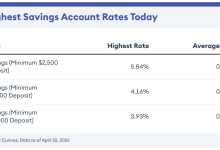
- Savings Accounts: Typically offer higher interest rates compared to checking accounts as they are designed for saving money over time.
- Certificate of Deposit (CD): CD accounts usually have fixed interest rates for a specific term, offering higher returns for locking in your money.
- Money Market Accounts: These accounts often provide competitive interest rates that may vary based on the balance maintained.
Factors Influencing Interest Rates on Savings Accounts
- Market Conditions: The overall economic environment, including inflation rates and federal policies, can impact interest rates on savings accounts.
- Bank Policies: Each financial institution sets its own rates based on factors like competition, operational costs, and profitability goals.
- Account Balance: Some banks offer tiered interest rates, where higher balances may earn higher rates of interest.
Comparing Returns on Different Bank Accounts
- Savings Accounts: While generally offering lower interest rates, these accounts provide easy access to funds and are suitable for emergency savings.
- Certificate of Deposit: CD accounts yield higher returns but require locking in funds for a specific period, limiting liquidity.
- Money Market Accounts: These accounts offer a balance between higher interest rates and accessibility, making them a popular choice for savers.
Closing a Bank Account
When it comes to closing a bank account, there are certain steps you need to follow to ensure a smooth process. It’s important to consider the consequences and make necessary arrangements before closing your account. Here is a step-by-step guide on how to close a bank account:
Step-by-Step Guide
- Contact your bank: Start by contacting your bank either in person, over the phone, or through their online portal to inform them of your decision to close the account.
- Withdraw or transfer funds: Make sure to withdraw or transfer any remaining funds from your account to avoid any complications.
- Update direct deposits and automatic payments: If you have any direct deposits or automatic payments linked to your account, make sure to update them with your new account information.
- Submit a written request: Some banks may require a written request to close the account. Be sure to follow their specific procedures.
- Check for any outstanding checks: Ensure that all outstanding checks have been cleared before closing the account to avoid any issues.
- Receive confirmation: Once the account is closed, make sure to receive confirmation from the bank in writing for your records.
Considerations Before Closing
- Any recurring payments linked to the account
- Impact on your credit score
- Associated fees for closing the account
Transferring Funds and Updating Information
- Transfer funds to a new account or receive a check for the remaining balance
- Update direct deposits and automatic payments with your new account details
- Notify any relevant parties of the account closure
Bank Account Innovations
In recent years, the banking industry has seen significant advancements and innovations related to bank accounts. These innovations have been driven by the rapid evolution of technology, changing customer preferences, and the need for more convenient and efficient banking solutions.
Mobile Banking Apps
Mobile banking apps have revolutionized the way customers access and manage their bank accounts. These apps provide users with the ability to check their account balances, transfer funds, pay bills, and even deposit checks, all from the convenience of their smartphones or tablets. The ease of use and accessibility of mobile banking apps have made them extremely popular among consumers, leading to a shift towards digital banking.
Digital Wallets
Digital wallets, such as Apple Pay, Google Pay, and Samsung Pay, have also had a significant impact on traditional bank accounts. These digital payment solutions allow users to store their payment information securely on their mobile devices and make contactless payments in stores or online. As digital wallets continue to gain popularity, they are expected to further streamline the way people manage their finances and make transactions.
Future Developments
Looking ahead, we can expect to see further innovations in bank account offerings and services. One trend that is likely to continue is the integration of artificial intelligence and machine learning technologies into banking platforms. These technologies can help banks personalize their services, improve fraud detection, and enhance the overall customer experience. Additionally, we may see the rise of blockchain technology in banking, leading to faster and more secure transactions.
Overall, the future of bank account innovations looks promising, with technology playing a key role in shaping the way customers interact with their finances. As banks continue to adapt to the digital age, we can anticipate even more convenient and efficient banking solutions in the years to come.
Financial Planning with Bank Accounts
Bank accounts play a crucial role in financial planning by providing a secure and convenient way to manage finances, save money, and achieve financial goals. By utilizing different types of bank accounts and integrating them with budgeting and saving strategies, individuals can effectively plan for their future financial needs.
Utilizing Savings Accounts for Emergency Funds
Savings accounts are ideal for setting aside funds for emergencies or unexpected expenses. By regularly depositing a portion of income into a savings account, individuals can build up an emergency fund to cover unforeseen costs without having to rely on credit cards or loans.
Setting Financial Goals with Specific Accounts
Individuals can use specific bank accounts to set and achieve financial goals, such as a vacation fund or a down payment for a house. By designating separate accounts for each goal, individuals can track their progress and stay motivated to save towards their objectives.
Automating Savings and Bill Payments
Automation features offered by many banks allow individuals to set up automatic transfers from their checking account to a savings account. This helps in building savings effortlessly and ensures that bills are paid on time, reducing the risk of missed payments and late fees.
Monitoring Spending Habits with Online Banking Tools
Online banking tools provide insights into spending habits, allowing individuals to track expenses, identify areas where they can cut back, and allocate funds towards savings or investments. By regularly reviewing account activity, individuals can make informed financial decisions and adjust their budget as needed.
Utilizing High-Interest Savings Accounts for Long-Term Goals
High-interest savings accounts offer higher returns on savings compared to traditional savings accounts. By utilizing these accounts for long-term goals, such as retirement or purchasing a home, individuals can maximize their savings and achieve their objectives sooner.
Ending Remarks
In conclusion, having a solid grasp of bank accounts empowers individuals to make informed financial decisions, safeguard their assets, and work towards their monetary aspirations with confidence.

Storyteller and digital explorer covering the latest updates in business and lifestyle.