High yield savings account rates take the spotlight in the realm of personal finance, offering opportunities for increased earnings and wealth accumulation. Delve into this comprehensive guide to uncover the key aspects of maximizing returns through high yield savings accounts.
As we navigate through the intricate landscape of high yield savings account rates, it becomes imperative to understand the nuances that dictate the financial growth potential associated with these accounts.




Definition of High Yield Savings Account Rates
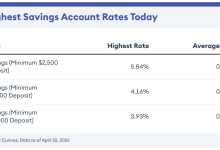
High yield savings account rates refer to the interest rates offered by financial institutions on savings accounts that are significantly higher than the average rates found in traditional savings accounts. These accounts typically provide a higher rate of return on deposited funds, making them an attractive option for individuals looking to grow their savings over time.
Differences from Regular Savings Account Rates
High yield savings account rates differ from regular savings account rates in that they offer a higher annual percentage yield (APY). This means that account holders can earn more interest on their savings with a high yield account compared to a standard savings account. Additionally, high yield savings accounts often require a higher initial deposit or minimum balance to open the account.
Benefits of High Yield Savings Account Rates
- Higher Interest Rates: High yield savings accounts offer higher interest rates than traditional savings accounts, allowing account holders to maximize their earnings on deposited funds.
- Competitive APY: The annual percentage yield on high yield savings accounts is typically competitive compared to other investment options, making it a valuable tool for growing savings over time.
- Liquidity and Accessibility: Unlike some long-term investments, high yield savings accounts offer liquidity and easy access to funds, making them a flexible option for short-term savings goals or emergency funds.
Factors Influencing High Yield Savings Account Rates
High yield savings account rates are influenced by various factors that determine the interest rate offered to account holders. Understanding these factors is crucial for individuals looking to maximize their savings.
Economic Conditions
Economic conditions play a significant role in the fluctuation of high yield savings account rates. When the economy is thriving, interest rates tend to increase as financial institutions aim to attract more deposits. Conversely, during economic downturns, interest rates may decrease to stimulate spending and investment.
Federal Reserve Policies
The Federal Reserve’s monetary policies also impact high yield savings account rates. Changes in the federal funds rate, which is the interest rate at which banks lend to each other overnight, can lead to corresponding adjustments in savings account rates. For example, if the Federal Reserve raises the federal funds rate, banks may increase their savings account rates to reflect this change.
Competition Among Financial Institutions
Competition among financial institutions plays a crucial role in determining high yield savings account rates. Banks and credit unions compete for deposits by offering competitive interest rates to attract customers. This competition can lead to higher rates for savers as institutions strive to differentiate themselves in the market.
Pros and Cons of High Yield Savings Account Rates
When considering high yield savings account rates, it is essential to weigh the advantages and disadvantages to make an informed decision. Below, we discuss the pros and cons of opting for high yield savings accounts.
Advantages of High Yield Savings Account Rates
- Higher Interest Rates: High yield savings accounts offer significantly higher interest rates compared to traditional savings accounts, allowing your money to grow faster.
- Liquidity: Unlike other investment options, high yield savings accounts provide easy access to your funds without penalties or restrictions.
- Federal Insurance: Most high yield savings accounts are FDIC-insured up to a certain limit, providing a secure way to save money.
- No Risk: While investments come with risks, high yield savings accounts are low-risk options, making them ideal for conservative savers.
Disadvantages of High Yield Savings Account Rates
- Minimum Balance Requirements: Some high yield savings accounts may require a minimum balance to earn the advertised interest rate, which can be a limitation for some individuals.
- Variable Rates: Interest rates on high yield savings accounts are subject to change based on market conditions, leading to fluctuations in earnings.
- Inflation Risk: In times of high inflation, the interest earned on high yield savings accounts may not keep pace with the rising cost of living, impacting your real returns.
- Opportunity Cost: While high yield savings accounts offer security, the returns may not be as high as other investment options like stocks or bonds, potentially missing out on higher returns.
In scenarios where stability and accessibility are top priorities, high yield savings account rates can be beneficial. However, for individuals seeking higher returns and willing to take on more risk, other investment vehicles may be more suitable. It is essential to evaluate your financial goals and risk tolerance before deciding on the best savings strategy for your needs.
How to Find the Best High Yield Savings Account Rates
Finding the best high yield savings account rates requires careful research and comparison to ensure you are maximizing your earnings while considering fees and terms associated with the accounts.
Research and Compare Rates
- Look at various financial institutions offering high yield savings accounts and compare their interest rates.
- Utilize online comparison tools to easily compare rates, fees, and terms from different banks.
- Consider both online banks and traditional brick-and-mortar banks to find the best rates for your needs.
Consider Fees and Terms
- Pay attention to any monthly maintenance fees, minimum balance requirements, or other charges that could eat into your earnings.
- Check the terms of the account, including withdrawal restrictions or penalties, to ensure they align with your financial goals and needs.
- Factor in any potential fees or restrictions when comparing rates to get a true picture of your potential earnings.
Maximize Returns
- Consider setting up automatic transfers to your high yield savings account to ensure consistent contributions and maximize your returns over time.
- Take advantage of promotional offers or bonus rates from banks to boost your savings even further.
- Regularly review your account and compare rates to ensure you are always earning the best possible return on your savings.
Current Trends in High Yield Savings Account Rates
In the ever-changing landscape of high yield savings account rates, it is essential to stay informed about the current trends and developments in the market. Recent changes can have a significant impact on the rates offered to consumers, making it crucial to understand the factors at play.
Impact of Economic Conditions
- Changes in the overall economic conditions, such as interest rate adjustments by the Federal Reserve, can directly influence high yield savings account rates.
- During periods of economic uncertainty or recession, savings account rates may decrease as financial institutions adjust their offerings to mitigate risks.
- Conversely, in times of economic growth, savings account rates may see an increase to attract more deposits from consumers.
Effects of Inflation
- High inflation rates can erode the purchasing power of money held in savings accounts, leading financial institutions to adjust their rates to keep up with inflation.
- Consumers should consider high yield savings accounts that offer rates higher than the current inflation rate to ensure that their savings are not losing value over time.
Competition Among Financial Institutions
- Competition among banks and credit unions can lead to fluctuations in high yield savings account rates as institutions vie for customers’ deposits.
- Consumers can benefit from this competition by comparing rates offered by different institutions and choosing the account that provides the best returns.
Comparison of High Yield Savings Account Rates Across Financial Institutions
When it comes to high yield savings account rates, it’s essential to compare offerings from various financial institutions to ensure you’re getting the best possible return on your savings. Different banks may offer varying interest rates, so it’s crucial to do your research before deciding where to open an account.
Variability in Rates Offered by Online Banks vs. Traditional Brick-and-Mortar Banks
Online banks typically offer higher interest rates on high yield savings accounts compared to traditional brick-and-mortar banks. This is because online banks have lower operating costs and can pass on the savings to customers in the form of higher rates. On the other hand, traditional banks may offer lower rates due to higher overhead costs associated with maintaining physical branches.
Promotional Offers or Incentives for Opening High Yield Savings Accounts
Some financial institutions may offer promotional offers or incentives to attract new customers to open high yield savings accounts. These could include sign-up bonuses, higher interest rates for an introductory period, or waived fees. It’s important to read the fine print and understand the terms and conditions of any promotional offers before opening an account to ensure you’re getting a good deal.
Strategies for Increasing High Yield Savings Account Rates
When it comes to maximizing the interest earned on high yield savings accounts, there are several strategies that account holders can consider. These strategies can help individuals take advantage of higher rates and maintain a competitive edge in securing the best possible returns.
Laddering Accounts
Laddering accounts is a strategy where funds are spread across multiple high yield savings accounts with staggered maturity dates. By doing so, account holders can potentially benefit from higher interest rates on longer-term accounts while still having access to some funds in shorter-term accounts. This approach helps balance liquidity needs with the desire for higher yields.
Bundling Accounts
Another option to increase high yield savings account rates is to bundle accounts with other financial products offered by the same institution. Some banks or credit unions may offer better rates to customers who hold multiple accounts or products with them. By consolidating accounts and services, individuals may be able to negotiate better rates or qualify for special promotions.
Maintaining a Competitive Edge
To ensure that you are always earning the best rates on your high yield savings account, it is important to stay informed about market trends and compare rates across different financial institutions. Keeping an eye on interest rate changes, promotional offers, and new account options can help you make informed decisions about where to keep your money to maximize returns.
Risks Associated with High Yield Savings Account Rates
When considering high yield savings accounts, individuals should be aware of potential risks that come with seeking higher returns. These risks can impact the stability of savings rates and ultimately affect the overall performance of the account.
Changes in the market, such as fluctuations in interest rates, economic downturns, or regulatory changes, can all impact the stability of high yield savings account rates. For instance, if interest rates in the market decrease, the returns on savings accounts may also decrease, affecting the overall yield on the account. Economic instability or changes in regulations can also lead to uncertainties in the market, impacting the performance of savings rates.
Strategies for Mitigating Risks
- Diversification: Consider spreading your savings across different types of accounts or investments to reduce the impact of market fluctuations on a single high yield savings account.
- Monitor Market Trends: Stay informed about economic conditions and interest rate changes to make informed decisions about your savings strategy.
- Consider Long-Term Goals: Evaluate your risk tolerance and investment horizon to align your savings strategy with your financial objectives.
- Review Terms and Conditions: Understand the terms of your high yield savings account, including any fees, penalties, or limitations that may affect your returns.
Impact of High Yield Savings Account Rates on Financial Goals
Investing in a high yield savings account can significantly impact an individual’s ability to achieve their financial goals. These accounts offer higher interest rates compared to traditional savings accounts, allowing individuals to grow their wealth more rapidly over time.
Accelerated Wealth Growth
- By earning a higher interest rate on your savings, you can accelerate the growth of your wealth. The compounding effect of higher interest rates results in a larger sum of money over time.
- For example, if you save $10,000 in a high yield savings account with an interest rate of 2%, you would earn $200 in interest in one year. In comparison, a traditional savings account with a 0.5% interest rate would only earn $50 in interest.
Aligning with Financial Goals
- Individuals can align high yield savings account rates with specific financial goals such as saving for a down payment on a house, planning for retirement, or building an emergency fund.
- Setting up automatic transfers from your checking account to a high yield savings account can help you stay disciplined in saving towards your goals while taking advantage of the higher interest rates.
Regulatory Environment and High Yield Savings Account Rates
The regulatory environment plays a crucial role in influencing the setting of high yield savings account rates. Government policies and regulations directly impact the interest rates offered by financial institutions, shaping the competitive landscape in the market. Compliance with regulatory standards is essential for financial institutions to maintain their stability and reputation, which in turn affects the competitiveness of the rates they offer.
Impact of Regulatory Compliance on High Yield Savings Account Rates
Government regulations such as the Federal Reserve’s monetary policy decisions can have a significant impact on the interest rates set by banks and credit unions for their high yield savings accounts. Financial institutions must adhere to these regulations to ensure that their operations are in line with the law and maintain the trust of their customers.
- Regulatory Compliance and Interest Rate Determination: Financial institutions must comply with regulations that dictate how they can attract deposits and set interest rates. Failure to comply with these standards can result in penalties and fines, affecting the competitiveness of their rates.
- Market Stability and Regulatory Oversight: Government policies aimed at maintaining market stability and consumer protection also influence the setting of high yield savings account rates. Regulatory oversight ensures that financial institutions operate ethically and responsibly, which can impact the rates they offer.
- Impact on Consumer Choices: Regulations that govern the financial industry can influence consumer choices when selecting a high yield savings account. Customers may opt for institutions that comply with regulations and offer competitive rates, leading to a more competitive market environment.
Future Outlook for High Yield Savings Account Rates
In considering the future outlook for high yield savings account rates, it is important to take into account various factors that can influence these rates in the near future. Market conditions, economic forecasts, and regulatory changes all play a role in determining the trajectory of high yield savings account rates.
Potential Trends in High Yield Savings Account Rates
- Given the current low interest rate environment, it is possible that high yield savings account rates may continue to be relatively low in the near future.
- If there is an increase in the overall interest rates set by the Federal Reserve, high yield savings account rates may follow suit and see a slight uptick.
- Competition among financial institutions offering high yield savings accounts may also impact the rates offered to customers, potentially leading to fluctuations in rates.
Recommendations for Long-Term Financial Planning
- For individuals looking to leverage high yield savings account rates for long-term financial planning, it is essential to diversify their savings and investment portfolio.
- Consider exploring other investment options with potentially higher returns, such as mutual funds or stocks, to maximize long-term growth potential.
- Regularly review and reassess your financial goals and risk tolerance to ensure that your savings strategy aligns with your objectives.
Last Word
In conclusion, high yield savings account rates serve as a valuable tool for individuals looking to enhance their savings strategy and achieve long-term financial goals. By leveraging the insights provided in this guide, you can make informed decisions to secure the best rates and optimize your wealth-building journey.

Storyteller and digital explorer covering the latest updates in business and lifestyle.